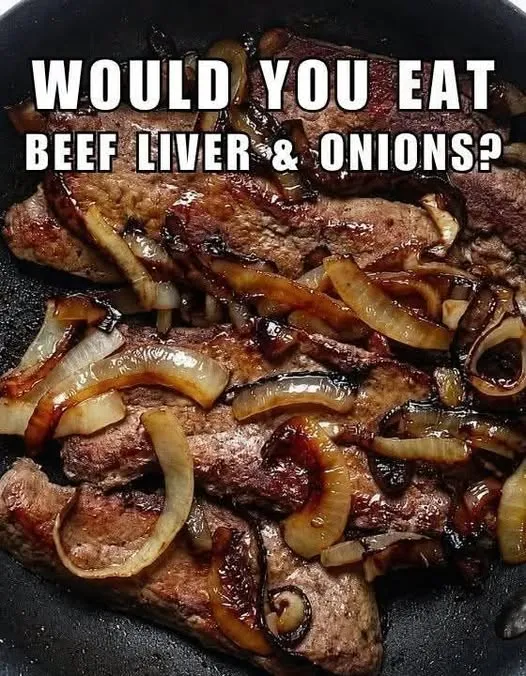
Once the liver has reached the recommended internal temperature, return the cooked onions to the skillet.
Gently toss everything together so the onions are warmed through and the flavors combine.
Transfer the liver and onions to a warm serving platter while you prepare the sauce.
6. Make the savory white wine pan sauce
Keep the skillet on the heat and pour in the beef stock and dry white wine.
Using a wooden spoon, gently scrape the bottom of the pan to release the flavorful browned bits left behind from cooking the liver and onions.
Allow the liquid to simmer and reduce until it becomes slightly thicker and more concentrated.
Taste the sauce and adjust the seasoning if needed. If it becomes too thick, add a small splash of beef stock.
7. Finish and serve
Pour the warm pan sauce over the beef liver and onions.
Sprinkle with freshly chopped Italian parsley for a little color and a fresh herbal finish.
Serve immediately while everything is warm and the sauce is still deliciously rich.
My Best Tips for Tender and Flavorful Beef Liver
Cooking liver is a little different from cooking an ordinary cut of beef. A few simple techniques can help you get the best possible result.
- Choose fresh beef liver: Look for liver with a fresh appearance and no unpleasant odor. Ask your butcher to slice it evenly if possible.
- Try the milk soak: Refrigerate the liver in milk for 2–4 hours if you want to mellow its distinctive flavor.
- Dry the liver before coating: Removing excess moisture helps the flour adhere more evenly.
- Avoid overcrowding the skillet: Cook in batches if necessary. Too many pieces in the pan can lower the temperature and prevent proper browning.
- Use a combination of butter and oil: Butter adds wonderful flavor, while a little oil helps prevent it from browning too quickly.
- Cook the onions slowly: Soft, golden onions bring natural sweetness to the finished dish.
- Use a food thermometer: Beef liver should reach 160°F internally for food safety.
- Serve immediately: Liver can become firmer with prolonged cooking, so avoid leaving it on the heat longer than necessary once it has reached the recommended temperature.
What to Serve with Beef Liver and Onions
This dish has a rich, savory flavor that pairs beautifully with simple homemade sides. If you want to create a traditional comfort-food dinner, here are some delicious options.
- Creamy mashed potatoes: Their smooth texture is perfect for soaking up the buttery onion sauce.
- Roasted potatoes: A crispy side adds a wonderful contrast to the tender liver.
- Buttered green beans: A fresh, simple vegetable that balances the richness of the dish.
- Steamed carrots: Their natural sweetness complements the caramelized onions.
- Macaroni and cheese: A comforting option for anyone who enjoys a hearty dinner.
- Warm dinner rolls: Perfect for enjoying every last bit of the homemade pan sauce.
My favorite way to serve this meal is with creamy mashed potatoes and a side of green beans. It’s simple, satisfying, and brings out the best in this traditional recipe.
Can You Make Beef Liver and Onions Ahead of Time?
You can prepare some of the ingredients in advance, which makes dinner much easier.
For example, you can slice the onions, chop the sage and parsley, and measure out the flour and seasonings ahead of time.
You can also soak the liver in milk in the refrigerator for a few hours before cooking.
However, for the best texture, I recommend cooking the liver shortly before serving. Repeated heating or prolonged cooking can make it firmer and less tender.
If you have leftovers, refrigerate them promptly in a covered container and enjoy them within 3–4 days. Reheat gently until the leftovers reach 165°F, adding a little beef stock if the sauce has thickened too much.
Frequently Asked Questions
Does soaking beef liver in milk really help?
Many home cooks use milk to mellow the distinctive flavor of beef liver. It is an optional traditional preparation step, but it can make the dish more appealing if you’re not accustomed to eating liver.
Why is my beef liver tough?
Liver can become firm and chewy when it is cooked for too long. Thickness, heat, and cooking technique all make a difference. Use evenly sliced pieces, avoid overcrowding the pan, and monitor the internal temperature with a food thermometer.
Can I use beef broth instead of white wine?
Absolutely! If you prefer not to cook with wine, replace the dry white wine with an equal amount of additional beef stock. The sauce will still be delicious, although the flavor will be slightly different.
Can I use dried sage instead of fresh sage?
Yes. Dried sage can be used if fresh sage isn’t available. Since dried herbs are more concentrated, start with a smaller amount and adjust to taste.
Can I use another type of liver?
This recipe is designed for beef liver. Calf’s liver has a milder flavor and can also be prepared with onions, but its texture and cooking time may differ. Other types of liver may require different adjustments.
What is the best way to reheat leftovers?
Reheat the liver and onions gently in a covered skillet over low heat with a small splash of beef stock. Stir occasionally and heat until the leftovers reach 165°F. Avoid prolonged heating, which can make the liver even firmer.
A Traditional Dinner Worth Rediscovering
Beef Liver and Onions may be an old-fashioned recipe, but that doesn’t mean it belongs in the past. With buttery golden onions, fresh sage, a flavorful white wine pan sauce, and carefully cooked beef liver, this classic meal has plenty of character.
The preparation is simple, the ingredients are affordable, and the finished dish is full of traditional homemade flavor.
Serve it with creamy mashed potatoes, a favorite vegetable, and a little warm bread on the side. It’s a wonderful way to bring a classic comfort-food dinner back to your table.
Now I’d love to hear from you: do you remember eating liver and onions growing up, or would this be your first time making it at home? And are you a fan of the traditional milk-soaking trick? Share your thoughts in the comments!
For Complete Cooking STEPS Please Head On Over To Next Page Or Open button (>)