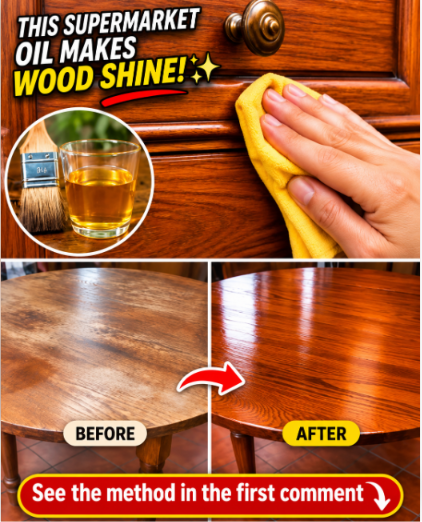
Some pieces of furniture are simply too special to replace. An old dresser passed down from your grandparents, a family dining table, or a vintage wooden cabinet can hold years of memories. Even when the finish begins to look dull and small scratches appear, there’s often a strong desire to preserve the piece rather than send it away.
Unfortunately, wood doesn’t always age gracefully. Daily use, sunlight, dust, and changes in humidity can gradually affect its appearance. A once-beautiful surface may start looking faded, dry, or worn.
Before spending money on expensive furniture products, you may have heard about two familiar household oils that are often recommended for refreshing wood: linseed oil and olive oil.
But are they really suitable for your furniture?
The answer depends on the type of wood and, more importantly, its finish. Raw wood, oiled wood, waxed furniture, and varnished surfaces don’t all respond the same way. Using the wrong product can leave behind a greasy film or even damage a finish.
Here’s what you should know before trying either oil, how to apply them carefully, and which everyday habits can help your wooden furniture stay beautiful for years.
1. Linseed Oil: A Traditional Option for Certain Wooden Surfaces
Linseed oil has been used for generations to treat and finish wood. It can penetrate certain unfinished or previously oiled surfaces, deepen the natural color of the grain, and leave the wood with a richer, slightly satin appearance.
It’s particularly suited to some raw or oil-finished wood surfaces, provided the product is appropriate for the furniture.
However, linseed oil isn’t a universal furniture polish. It should generally be avoided on varnished, lacquered, or painted furniture unless the manufacturer specifically recommends it. On these surfaces, the oil may simply sit on top rather than penetrate the wood.
How to Apply Linseed Oil to Wooden Furniture
Before treating an entire piece, take a few minutes to check its finish and test the oil in a hidden area.
Step 1: Clean the surface
Remove dust with a soft, dry cloth. If the furniture has accumulated dirt or fingerprints, use a cleaning method suitable for its existing finish. Allow the surface to dry completely before applying any oil.
Step 2: Test an inconspicuous area
Apply a tiny amount of linseed oil to a hidden section, such as the back or underside of the furniture.
Wait and check the result. Linseed oil can darken certain types of wood and change their natural appearance, so it’s important to know what to expect before treating the whole piece.
Step 3: Apply a very thin layer
Place a small amount of linseed oil on a clean, lint-free cloth. Gently spread it over the wood, following the direction of the grain.
Don’t pour oil directly onto the furniture. Working with small amounts gives you much better control and helps prevent excess buildup.
Step 4: Wipe away the excess
Follow the product’s directions for the recommended absorption time. Then use a separate clean, dry cloth to remove any oil that hasn’t been absorbed.
Leaving excess oil on the surface can create a sticky finish.
Step 5: Allow the furniture to dry completely
Let the furniture dry in a well-ventilated area and follow the manufacturer’s instructions for drying and curing. Avoid placing decorations, books, or other objects on the surface while it remains tacky.
Important safety warning: Rags soaked with linseed oil can heat up on their own and potentially catch fire, particularly when left crumpled or piled together. Never leave oily cloths in a heap or in an indoor trash can. Follow the product’s specific instructions for safely handling, drying, and disposing of them.
2. Olive Oil: Can It Really Make Wooden Furniture Shine?
Olive oil is another ingredient frequently mentioned in homemade furniture-care recipes. Because it’s readily available in most kitchens, it may seem like an easy and inexpensive way to refresh a dull wooden surface.
Some homemade recipes combine olive oil with lemon juice and liquid Castile soap or Marseille soap to create a cleaning mixture.
However, there’s an important detail worth knowing: olive oil isn’t formulated as a long-term wood treatment.
Unlike products specifically designed for furniture, it can leave a greasy residue, attract dust, become sticky, or develop an unpleasant smell as it ages. For that reason, it’s not the best choice for routine furniture maintenance, especially on valuable antiques.
If you’re still interested in trying a homemade mixture, be cautious and test it first.
A Homemade Olive Oil, Lemon, and Soap Mixture
Ingredients:
- A few drops of olive oil
- Juice from half a lemon
- 1 tablespoon liquid Marseille soap or a suitable mild liquid soap
How to prepare and use it:
- Combine the ingredients in a small container and mix until blended.
- Put a very small amount on a soft cloth rather than pouring the mixture directly onto the furniture.
- Gently test it on a hidden section of the surface.
- Wipe away any remaining residue immediately with a clean, dry cloth.
- Allow the area to dry and inspect the finish before considering any wider application.
Keep in mind that lemon juice is acidic. It may affect delicate finishes, certain waxed surfaces, and materials that are sensitive to acids.
If you don’t know what finish your furniture has, it’s better to skip this homemade mixture. For antique, valuable, or sentimental pieces, a professional furniture restorer can help you choose a safer treatment.
3. Simple Habits That Help Wooden Furniture Stay Beautiful
Here’s something many people overlook: furniture doesn’t always need oil to look its best.
In fact, regular gentle care can do more for the appearance of your wooden furniture than applying homemade treatments too often.
A few small habits can make a noticeable difference:
- Dust regularly: Use a soft microfiber cloth to remove dust without scratching the finish.
- Avoid excess water: Standing moisture can leave marks, damage certain finishes, or penetrate exposed wood.
- Protect frequently used surfaces: Use coasters, placemats, and protective pads to prevent water rings, scratches, and heat damage.
- Keep furniture away from direct sunlight: Prolonged exposure can fade or change the color of wood.
- Choose the right cleaning product: A varnished table, an oiled cabinet, and an unfinished wooden dresser may all require different care.
It’s also worth remembering that too much polishing can sometimes create buildup. When a surface starts looking cloudy or sticky, adding another layer of oil or polish may make the problem worse.
4. The Most Important Step: Identify the Finish Before Applying Anything
This is the detail that can make all the difference.
Two pieces of furniture may look almost identical but require completely different care.
- Unfinished wood: Certain types of unfinished wood can benefit from an appropriate wood oil.
- Oil-finished wood: A compatible maintenance oil may help refresh the surface.
- Varnished or lacquered wood: These finishes generally need gentle cleaning rather than additional oil.
- Waxed furniture: Use products designed for waxed finishes, as unsuitable mixtures can leave residue or affect the existing treatment.
- Antique furniture: Older finishes may be fragile and should be treated with extra care.
If you’re unsure what you’re working with, don’t experiment on the most visible part of the furniture. Check the manufacturer’s care instructions or ask a furniture-restoration professional.
Give Your Wooden Furniture the Care It Deserves
A beautiful wooden piece doesn’t have to be brand-new to make a room feel warm and inviting. Sometimes, the charm is in the natural grain, the small signs of age, and the memories attached to it.
Linseed oil can be a useful option for certain compatible wood surfaces, while olive oil deserves more caution and isn’t a reliable long-term furniture treatment.
The best approach is to understand your furniture’s finish, use products designed for that surface, and avoid applying unnecessary treatments.
After all, preserving an old family piece is about more than making it shine. It’s about keeping something meaningful in your home for the next generation.
What about you? Do you have a favorite family trick for caring for wooden furniture, or do you prefer store-bought wood-care products? Share your experience in the comments.
For Complete Cooking STEPS Please Head On Over To Next Page Or Open button (>)